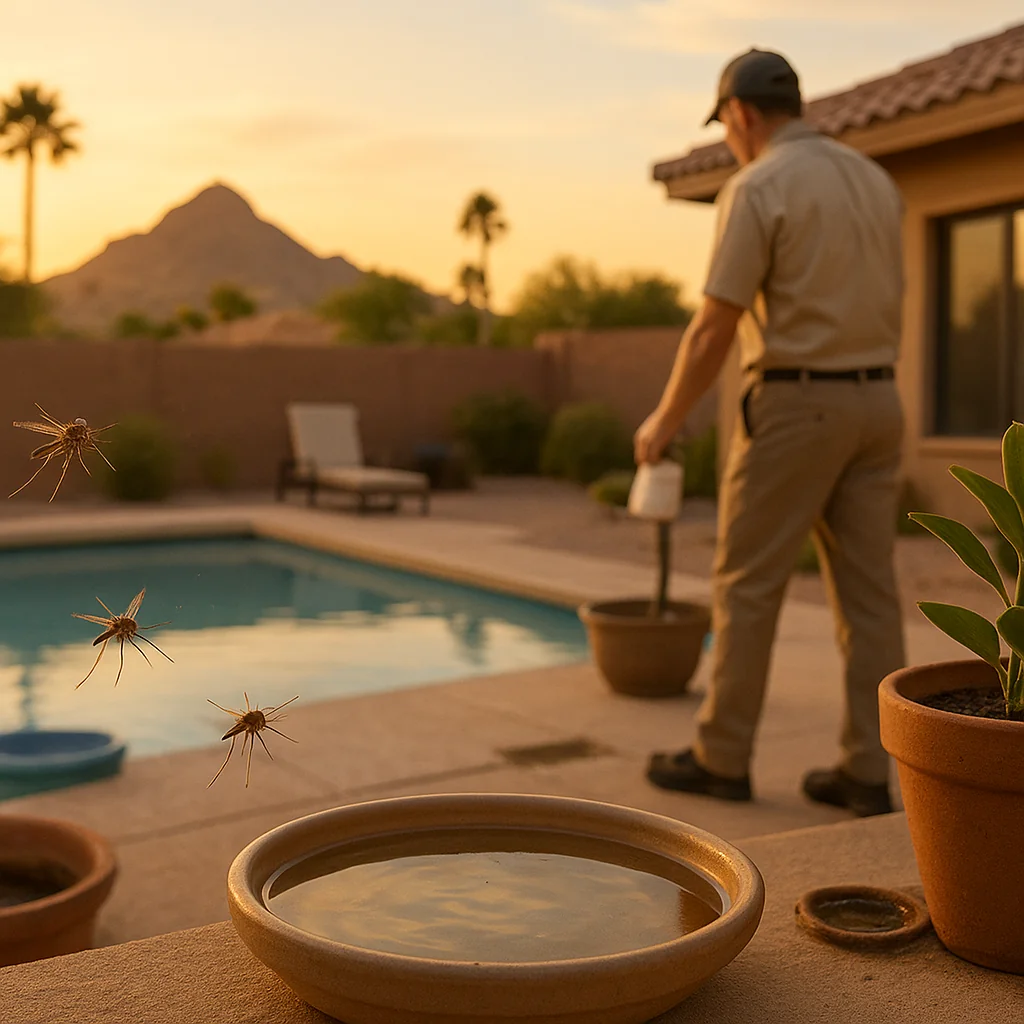
Understanding Backyard and Poolside Mosquito Challenges in Phoenix
In the scorching heat of Phoenix AZ backyard and poolside mosquito challenges create significant problems for homeowners who want to enjoy their outdoor spaces. The combination of irrigated yards lush landscaping and backyard pools creates perfect breeding conditions for mosquitoes throughout the Valley of the Sun. Phoenix Mosquito Control Pros has helped thousands of residents tackle these issues with targeted adult mosquito control that addresses both immediate relief and long-term prevention.
Why Phoenix Creates Perfect Mosquito Habitat
Phoenix presents unique environmental conditions that make mosquito management particularly challenging. While many assume the desert climate would naturally limit mosquito populations the reality is quite different. Summer monsoon rains combined with urban irrigation systems create abundant standing water sources. Backyard pools fountains birdbaths and even poorly drained areas after summer storms become prime breeding grounds.
The Sonoran Desert environment forces mosquitoes to concentrate around residential areas where water and shade are plentiful. Temperatures that often exceed 100 degrees Fahrenheit during summer months accelerate the mosquito life cycle allowing populations to explode rapidly. This creates intense pressure on backyard spaces especially those featuring swimming pools and outdoor entertainment areas that families want to use during evenings when mosquitoes are most active.
The Impact of Monsoon Season on Local Mosquito Populations
Each year the Arizona monsoon brings dramatic weather changes that directly impact mosquito activity. Heavy rains fill depressions in yards create temporary pools in poorly graded landscapes and leave standing water in countless backyard containers. This sudden influx of water following extreme dry periods triggers massive hatches of adult mosquitoes often within days of significant rainfall.
Pool owners face additional challenges during monsoon season as heavy winds blow debris into pools and intense rains can disrupt chemical balance creating conditions where mosquitoes might breed in neglected pool areas. Understanding these seasonal patterns is crucial for effective larval control treatment that prevents populations before they become biting adults.
Common Backyard Mosquito Breeding Sites in Phoenix Homes
Many Phoenix homeowners are surprised to learn how many potential breeding sites exist in their own yards. Even well-maintained properties can harbor numerous locations where mosquitoes reproduce successfully. Common problem areas include:
- Clogged rain gutters that collect organic debris and water
- Plant saucers and outdoor potted plants that hold water after irrigation
- Bird baths and decorative water features without proper circulation
- Children’s toys pools and play equipment left outdoors
- Uneven landscaping creating low spots where water pools after rain
- Improperly stored tarps pool covers and outdoor equipment
These sites allow mosquitoes to complete their life cycle in as little as seven days during summer months. This rapid reproduction means that even small amounts of standing water can produce hundreds of mosquitoes weekly. Professional inspection and treatment focus on eliminating these sources through both source reduction and targeted applications.
Poolside Mosquito Issues: A Special Challenge for Valley Residents
Swimming pools create their own set of mosquito-related problems in Phoenix backyards. While properly maintained chlorinated pools rarely serve as breeding sites the surrounding landscape and pool equipment often do. Pool decks with poor drainage can hold water in small crevices. Skimmer baskets and filter areas may collect organic material that holds moisture. Landscape features near pools like palm trees and dense shrubs provide resting spots for adult mosquitoes.
Evening pool parties the favorite social activity for many Phoenix families become unpleasant or impossible when mosquitoes descend at dusk. The contrast between refreshing pool water and irritating mosquito bites creates a frustrating experience that diminishes the value of these expensive outdoor investments. Many homeowners report avoiding their pools during peak mosquito season which typically runs from April through October in the Phoenix metro area.
Effective management requires specialized approaches that protect both the pool chemistry and surrounding areas. Barrier spraying creates protective zones around pool perimeters without affecting water quality or harming pool equipment. This technique has become increasingly popular among Phoenix pool owners seeking to reclaim their backyard oasis.
Health Risks Associated with Phoenix Mosquitoes
Beyond the nuisance factor mosquitoes in Phoenix can transmit several concerning diseases. While the desert environment limits some mosquito-borne illnesses compared to more humid regions the risk remains significant enough to warrant serious attention. West Nile virus represents the primary concern with periodic outbreaks occurring throughout Maricopa County.
Other potential threats include dengue and Zika viruses though these occur less frequently. The elderly young children and individuals with compromised immune systems face higher risks from mosquito-borne diseases. This makes effective mosquito control not just a comfort issue but an important health protection measure for Phoenix families.
Understanding local disease patterns helps residents make informed decisions about protection strategies. Phoenix experiences peak West Nile transmission during late summer when both mosquito populations and viral circulation reach their highest levels. This timing coincides with the period when families most want to enjoy their backyard and pool areas creating a perfect storm of increased exposure risk.
Local Insights: Mosquito Patterns Across Phoenix Neighborhoods
Different Phoenix communities experience varying levels of mosquito pressure based on landscaping practices irrigation methods and proximity to water sources. Older neighborhoods with mature vegetation and established irrigation systems often face more significant challenges than newer developments with desert landscaping.
Areas like Camelback East with their lush lawns and mature trees create ideal habitats that support larger mosquito populations. Similarly Downtown Phoenix and surrounding historic districts face unique challenges from community gardens urban water features and reduced air circulation between buildings.
Understanding these neighborhood-specific patterns allows for more targeted treatment approaches. Professional services account for local conditions when developing effective mosquito management plans rather than applying one-size-fits-all solutions that may prove inadequate for Phoenix unique environment.
Desert Landscaping vs Traditional Yards
The shift toward water-wise desert landscaping has produced mixed results regarding mosquito populations. While reducing overall irrigation helps limit breeding sites many desert plants create dense shaded areas where mosquitoes rest during hot daylight hours. Strategic plant selection and proper maintenance become important components of integrated mosquito management in modern Phoenix yards.
Effective Strategies for Backyard Mosquito Management
Successful mosquito control in Phoenix requires a comprehensive approach addressing both adult mosquitoes and their aquatic larvae. Simply spraying adult insects provides only temporary relief as new mosquitoes continuously emerge from breeding sites. Integrated pest management combines several strategies for longer-lasting results.
Source reduction involves systematically eliminating standing water throughout the property. This includes regular gutter cleaning proper disposal of water-holding containers and ensuring all drainage systems function correctly. Even small containers like bottle caps can produce mosquitoes making thorough inspection essential.
Biological controls such as introducing mosquito-eating fish to decorative ponds or using bacterial larvicides in hard-to-reach areas provide environmentally responsible options. These methods specifically target mosquito larvae without harming beneficial insects pollinators or pets when applied correctly.
Physical barriers including properly installed screens on outdoor living areas and strategic use of fans to disrupt mosquito flight patterns offer additional protection. Many Phoenix residents combine these approaches with professional services for optimal results.
Professional Mosquito Control Solutions for Phoenix Properties
Professional mosquito control services offer significant advantages over DIY approaches particularly in the challenging Phoenix environment. Trained technicians understand local mosquito species seasonal patterns and the specific conditions that drive populations in different neighborhoods. This knowledge allows for more effective targeted treatments that address root causes rather than just symptoms.
Modern professional programs typically include regular monitoring ongoing source reduction recommendations and carefully timed applications of control products. Rather than calendar-based spraying these programs adapt to current conditions adjusting frequency and methods based on actual mosquito activity levels weather patterns and seasonal changes.
The most effective programs combine larval control treatment with adult management strategies. This dual approach breaks the reproductive cycle while providing immediate relief for backyard enjoyment. Technicians also provide valuable education about property-specific risk factors and prevention methods that homeowners can implement between service visits.
Understanding Treatment Methods
Professional applications use specialized equipment that ensures even coverage and appropriate product concentrations. Barrier treatments create protective zones around yards and pool areas where mosquitoes are most likely to enter or rest. These applications use products specifically formulated for outdoor residential use with minimal impact on beneficial insects when applied according to label directions.
Timing of treatments proves crucial for maximum effectiveness. Applications scheduled during early morning or late afternoon avoid peak heat while targeting mosquitoes during their most active periods. Seasonal adjustments account for changing weather patterns and mosquito activity levels throughout the year.
Seasonal Mosquito Control Planning for Phoenix Homes
Effective mosquito management requires different strategies during various times of the year in Phoenix. Early spring treatments focus on preventing initial population explosions as temperatures rise. Summer programs address peak activity periods with more frequent monitoring and treatment. Fall efforts target lingering populations before cooler weather reduces activity.
Many homeowners make the mistake of waiting until mosquito problems become severe before taking action. By this point populations have typically reached significant levels making control more difficult and time-consuming. Proactive seasonal planning provides better results with less intensive intervention throughout the year.
Winter months offer opportunities for habitat modification and repair of drainage issues that might not be apparent during the busy summer season. Addressing these structural and landscaping factors during cooler months creates a stronger foundation for mosquito prevention when warm weather returns.
Creating a Mosquito-Resistant Backyard in Phoenix
Thoughtful landscape design and maintenance practices can significantly reduce mosquito habitat around Phoenix homes. Choosing plants that require less frequent irrigation helps limit standing water. Proper grading ensures water flows away from structures and entertainment areas rather than pooling in low spots.
Strategic placement of water features with proper filtration and circulation prevents them from becoming breeding sites. Regular maintenance of all outdoor equipment including pool filters skimmers and decorative fountains reduces organic debris that can support mosquito larvae.
Lighting choices can also influence mosquito activity. Some light types attract insects that in turn draw mosquitoes. Strategic placement of fans in seating areas creates air movement that mosquitoes find difficult to navigate while providing comfortable cooling during Phoenix evenings.
These modifications combined with professional adult mosquito control create outdoor spaces where families can truly enjoy their investment without constant battles against biting insects.
Common Mistakes Phoenix Homeowners Make
Several common errors reduce the effectiveness of mosquito control efforts around Phoenix homes. Many residents focus exclusively on adult mosquitoes while ignoring breeding sites allowing populations to replenish quickly after treatment. Others apply products incorrectly either using too much or applying at wrong times of day reducing effectiveness and potentially affecting non-target organisms.
Some homeowners rely solely on backyard foggers or citronella products that provide only very short-term relief. These methods fail to address the underlying causes of mosquito problems in the Phoenix environment. Understanding the limitations of various control methods helps residents develop more realistic expectations and effective strategies.
Neglecting neighboring properties represents another common oversight. Since mosquitoes can fly considerable distances from breeding sites treating only one yard produces limited results. Community-wide cooperation and professional programs that consider area-wide conditions typically achieve better outcomes.
Technology and Innovation in Phoenix Mosquito Control
Recent advances in mosquito management technology offer new tools for Phoenix homeowners and professionals. Automated monitoring systems can detect population changes and environmental conditions that influence mosquito activity. This data allows for more precise timing of control measures.
Improved formulations of control products provide longer residual effects with reduced application frequency. Some newer options specifically target mosquito species common to the Southwest while minimizing impact on beneficial insects like bees and butterflies that play important roles in desert ecosystems.
Genetic approaches and novel biological controls continue to evolve though many remain in development phases. Understanding which technologies have proven effective in local conditions helps consumers make informed decisions about protecting their backyard and poolside spaces.
Working with Your Neighbors for Better Results
Mosquito control represents a community challenge as much as an individual property issue. Coordinating efforts with neighbors particularly those with adjacent yards can significantly improve results. Shared information about effective products and practices helps everyone achieve better protection.
Many Phoenix neighborhoods have found success through community education about source reduction. Simple steps like weekly inspections of yards for standing water can dramatically reduce overall mosquito populations when practiced consistently across multiple properties.
Professional services often provide guidance for community-wide approaches that respect individual property rights while addressing shared mosquito challenges. This collaborative mindset recognizes that mosquitoes do not respect property lines and that collective action produces superior outcomes.
Measuring Success in Your Mosquito Management Program
Effective evaluation of mosquito control efforts requires more than simply noting fewer bites though this certainly indicates progress. Regular monitoring using simple traps or observation protocols helps quantify population changes over time. Keeping records of treatment dates weather conditions and mosquito activity creates valuable data for refining approaches.
Success should be measured not just in reduced mosquito numbers but in increased enjoyment of backyard and poolside spaces. Families returning to evening outdoor activities without constant swatting and discomfort represent the true goal of effective mosquito management programs.
Professional providers typically offer guidance on realistic expectations and timelines for seeing significant improvements. Understanding that complete elimination remains unrealistic in the Phoenix environment helps homeowners focus on practical achievable levels of control that allow comfortable outdoor living.
By combining local knowledge professional expertise and consistent homeowner participation Phoenix residents can overcome backyard and poolside mosquito challenges to fully enjoy their desert oasis throughout the year. The unique conditions of the Valley require specialized approaches but with proper strategies these irritating insects need not dominate outdoor living spaces.
Leave a Reply