Why Mosquitoes Thrive in Phoenix Despite the Desert Heat
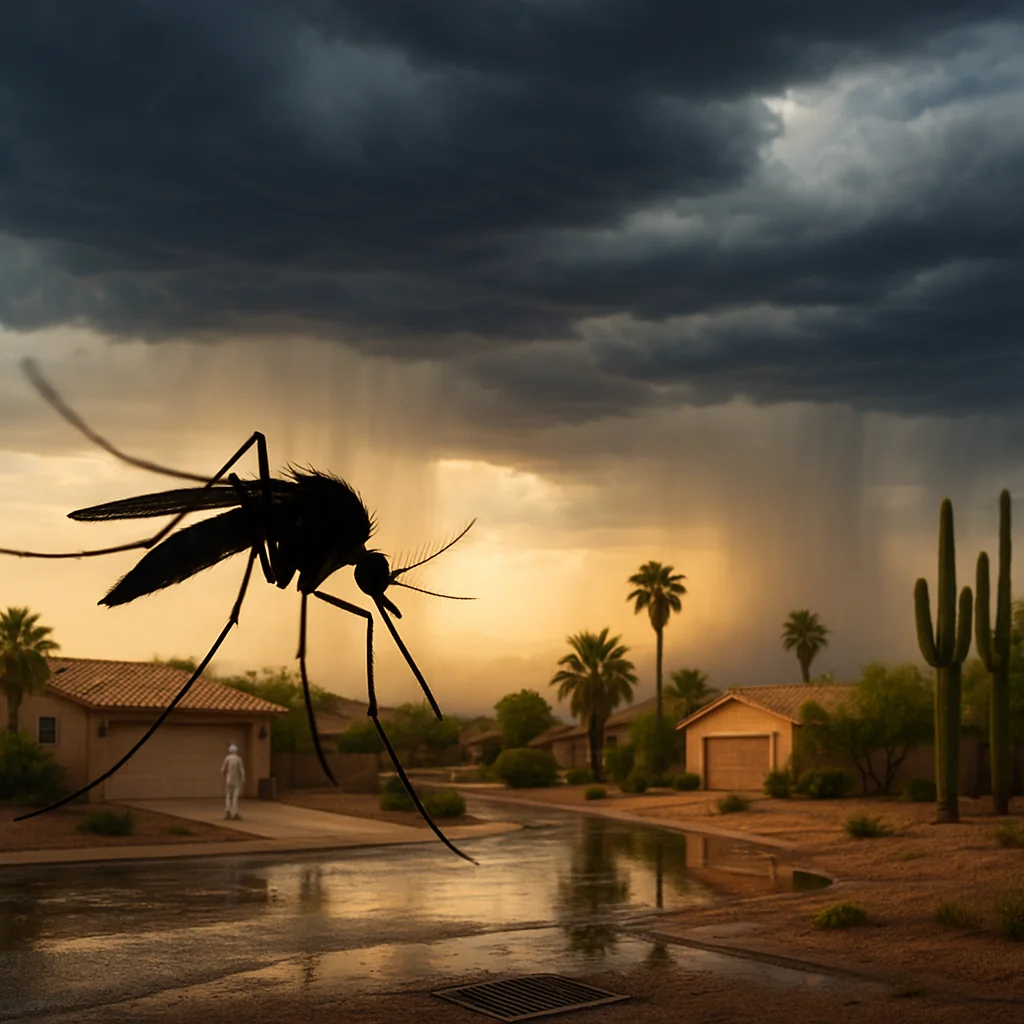
Phoenix Arizona experiences extreme desert temperatures that rarely dip below freezing yet mosquitoes in Phoenix flourish due to unique monsoon weather patterns that create abundant standing water and humid microclimates. The combination of summer monsoon rains flooding dry riverbeds urban irrigation systems and backyard containers allows multiple mosquito species to complete their life cycles rapidly turning the Valley of the Sun into a seasonal breeding hotspot. Residents in neighborhoods across the city notice increased activity from late June through September when humidity spikes and temperatures remain warm enough for continuous reproduction.
The Sonoran Desert Climate: A Surprising Haven for Mosquitoes
At first glance the arid Sonoran Desert seems inhospitable to mosquitoes that require water for larval development. Phoenix receives only about 8 inches of annual rainfall most of it concentrated in monsoon season. Yet this very pattern of prolonged drought followed by intense precipitation creates ideal conditions. Dry periods kill off predators while monsoon storms fill every possible container from forgotten flower pots to old tires with water that remains warm under the desert sun.
Urban development has dramatically changed the natural hydrology. Concrete channels storm drains and retention basins replace natural absorption turning brief rains into persistent pools. Air conditioning units evaporative coolers and backyard swimming pools add even more artificial water sources. These modifications transform the harsh desert into a patchwork of mosquito-friendly habitats especially in residential areas where irrigation maintains lush landscaping that further raises local humidity.
Temperature and Humidity Factors in Phoenix Mosquito Activity
Mosquitoes develop faster in warm water. Phoenix summer temperatures regularly exceed 100°F yet evening lows in the 80s allow larvae to mature in as little as 5-7 days instead of the 10-14 days seen in cooler climates. Species like Culex quinquefasciatus and Aedes aegypti have adapted beautifully to these conditions. The monsoon also brings humidity levels that can jump from 10% to over 50% creating the moist air mosquitoes need for flight and feeding.
During dry periods adult mosquitoes enter a state of reduced activity but never truly disappear. They shelter in vegetation near irrigation lines or in shaded backyard spots. When rains arrive the population explodes. This boom-and-bust cycle explains why many homeowners in Camelback East and surrounding communities see dramatic seasonal changes in mosquito pressure.
How Phoenix Monsoon Patterns Drive Mosquito Breeding
The North American Monsoon officially begins in early July when high pressure shifts and draws moisture from the Gulf of California and Gulf of Mexico. These storms are often localized and intense dropping several inches of rain in an hour. Flash floods race through normally dry washes filling low spots with water that can persist for weeks in shaded areas.
Monsoon storms create countless new breeding sites. Roof gutters clogged with desert dust become miniature ponds. Plastic play equipment children’s wading pools and even discarded bottle caps collect water. In older neighborhoods with mature trees and dense vegetation these sites remain protected from evaporation. The result is a massive increase in Culex mosquitoes that transmit West Nile virus and Aedes species known for aggressive daytime biting.
The monsoon does not end abruptly. Lingering humidity and occasional September storms extend the breeding window. Even after official monsoon season ends in late September many areas retain enough moisture to support mosquito populations well into October. This extended season is why consistent adult mosquito control becomes essential for Phoenix homeowners who want to enjoy outdoor living.
Urban Heat Island Effect and Mosquito Survival
Phoenix’s urban heat island effect raises nighttime temperatures by several degrees compared to surrounding desert. This warmth prevents the natural population crashes that occur in other regions when evenings cool. Mosquitoes remain active later into the night and resume activity earlier in the morning. The effect is particularly pronounced in Downtown Phoenix where concrete and asphalt retain heat and commercial buildings provide countless sheltered resting spots.
Landscaping choices also play a role. Many Phoenix neighborhoods feature dense oleander citrus and palm trees that create shaded humid zones. These plants are often over-watered creating perfect conditions at ground level. In Central Phoenix historic homes with established gardens frequently harbor higher mosquito numbers than newer developments with xeriscaping.
Common Mosquito Species in the Phoenix Metro Area
Several species dominate the Phoenix mosquito landscape each with unique breeding preferences and biting behaviors. Understanding these differences helps explain why some neighborhoods experience worse problems than others.
- Culex quinquefasciatus (Southern House Mosquito): Primary vector for West Nile virus. Breeds in polluted water found in storm drains and neglected pools. Most active at dusk and dawn.
- Aedes aegypti (Yellow Fever Mosquito): Aggressive daytime biter that prefers clean water in small containers. Highly adapted to urban environments and can breed in as little as one inch of water.
- Aedes vexans (Inland Floodwater Mosquito): Explosive breeder after monsoon floods. Females can travel several miles from breeding sites making them a regional rather than strictly local problem.
- Anopheles species: Less common but capable of transmitting malaria though local transmission is extremely rare in Arizona.
Each species responds differently to environmental conditions. Aedes aegypti has become increasingly prevalent in recent years as Phoenix grows hotter and more urbanized. Their ability to breed in tiny water volumes makes them particularly difficult to control through source reduction alone which is why integrated approaches are necessary.
Impact of Urban Development on Local Mosquito Populations
Phoenix has transformed dramatically over the past fifty years. What was once open desert is now a sprawling metropolitan area with over 1.6 million residents. This growth has created new mosquito habitats while eliminating natural controls.
Retention basins designed to manage stormwater often become permanent or semi-permanent water features when not properly maintained. Golf courses and resort properties with extensive irrigation systems serve as mosquito incubators particularly during monsoon season. Even well-maintained communities can develop problems if neighbors fail to address breeding sites on their properties.
In Arcadia for example the combination of mature vegetation horse properties and frequent irrigation creates ideal conditions. Similar patterns appear throughout the city where older neighborhoods with established landscaping face greater challenges than newer developments with desert-adapted plants.
Water Features and Landscaping Choices
Many Phoenix residents enjoy water features ranging from backyard fountains to koi ponds. Without proper maintenance and mosquito prevention these become major breeding sources. Even birdbaths and pet water bowls need frequent changing. Desert-friendly landscaping reduces overall water use but can still create problems if plants are grouped in ways that trap moisture or if drip irrigation leaves standing water.
Understanding these local factors helps explain why mosquito pressure varies significantly between neighborhoods. A property in North Phoenix with different microclimate conditions may have very different mosquito activity compared to one in South Phoenix despite similar temperatures.
Health Risks Associated with Phoenix Mosquitoes
Beyond the annoyance of itchy bites mosquitoes in Phoenix carry real health concerns. West Nile virus remains the primary threat with cases reported annually throughout Maricopa County. Symptoms range from mild fever and headache to severe neurological complications particularly in older adults and those with compromised immune systems.
Dengue chikungunya and Zika viruses while not currently transmitted locally by established populations could become concerns as Aedes aegypti continues expanding. The Arizona Department of Health Services monitors mosquito populations and virus activity closely especially during peak monsoon months.
Children elderly residents and outdoor workers face elevated exposure risks. Evening backyard gatherings pool parties and youth sports activities coincide perfectly with peak mosquito feeding times creating frequent human-vector contact.
Effective Strategies for Managing Mosquitoes During Monsoon Season
Successful mosquito management in Phoenix requires understanding both the desert climate and local behavior patterns. Simple cultural controls can dramatically reduce breeding sites around your property.
Source Reduction Techniques That Work in Desert Conditions
Eliminating standing water is the foundation of any effective program. Check your property after every storm for new breeding sites. Empty and scrub containers weekly. Use Bti (Bacillus thuringiensis israelensis) dunks in permanent water features like fountains or ponds. These biological controls specifically target mosquito larvae without harming beneficial insects or pets.
Repair screens on windows and doors. Use weather stripping to close gaps where mosquitoes might enter. Install ceiling fans on patios as the air movement disrupts mosquito flight patterns making it harder for them to land and bite.
Professional Mosquito Control Approaches
For many Phoenix homeowners professional service provides the most reliable solution especially during peak season. Modern mosquito control combines larval treatment of breeding sites with targeted adult management using products that minimize impact on beneficial pollinators and other non-target insects.
Timing is critical. Treatments scheduled before monsoon storms can prevent population explosions while follow-up applications address new breeding sites created by rainfall. Properties in different parts of the city may require customized approaches based on local conditions and species composition.
Seasonal Patterns and Long-Term Trends
Mosquito season in Phoenix has lengthened over the past two decades. Warmer winters allow more adults to survive and begin breeding earlier in spring. Extended fall warmth keeps populations active later into the year. Climate models suggest these trends will continue making effective mosquito management increasingly important for quality of life.
Public health officials track these changes carefully. Community-wide efforts including surveillance and education complement individual property management. Understanding these broader patterns helps residents prepare appropriately and recognize when professional intervention becomes necessary.
Neighborhoods with active homeowner associations sometimes coordinate treatment schedules to achieve better area-wide results. This collaborative approach can be particularly effective in densely populated areas where mosquitoes easily move between properties.
Creating a Mosquito-Resistant Outdoor Living Space in Phoenix
Phoenix residents value their outdoor lifestyle yet mosquitoes can make evenings unbearable. Strategic planning can minimize problems. Choose plant varieties that do not collect water in leaf axils. Maintain proper grading so water drains away from structures. Consider installing automatic misting systems with approved mosquito control products though these should complement rather than replace other methods.
Lighting choices matter too. Mosquitoes are less attracted to yellow or sodium vapor lights than to bright white or blue LED bulbs. Positioning lights away from seating areas rather than directly above them reduces the number of insects drawn to gathering spots.
For those with pools regular maintenance prevents them from becoming breeding sites. Cover pools when not in use and maintain proper chemical balance. Empty and clean pool toys and floats after each use as even small amounts of trapped water can produce hundreds of mosquitoes.
By combining these environmental modifications with professional adult mosquito control services when needed Phoenix homeowners can significantly reduce mosquito pressure and reclaim their yards during the challenging monsoon months.
Looking Ahead: Climate Change and Future Mosquito Challenges
As Phoenix continues warming and urbanizing mosquito management will grow more complex. New species may establish while existing ones expand their ranges. Increased frequency of extreme weather events could create additional breeding opportunities. Proactive integrated pest management approaches that address both larval and adult stages will become even more important.
Research into new control methods including genetic techniques and improved biological agents continues. For now the most effective strategy combines vigilant source reduction smart landscaping choices and where appropriate professional treatment tailored to local conditions across different Phoenix neighborhoods.
Understanding why mosquitoes thrive in Phoenix empowers residents to take meaningful action. The desert climate and monsoon patterns may create favorable conditions but informed homeowners can dramatically reduce the impact on their daily lives and protect their families from associated health risks.
Leave a Reply